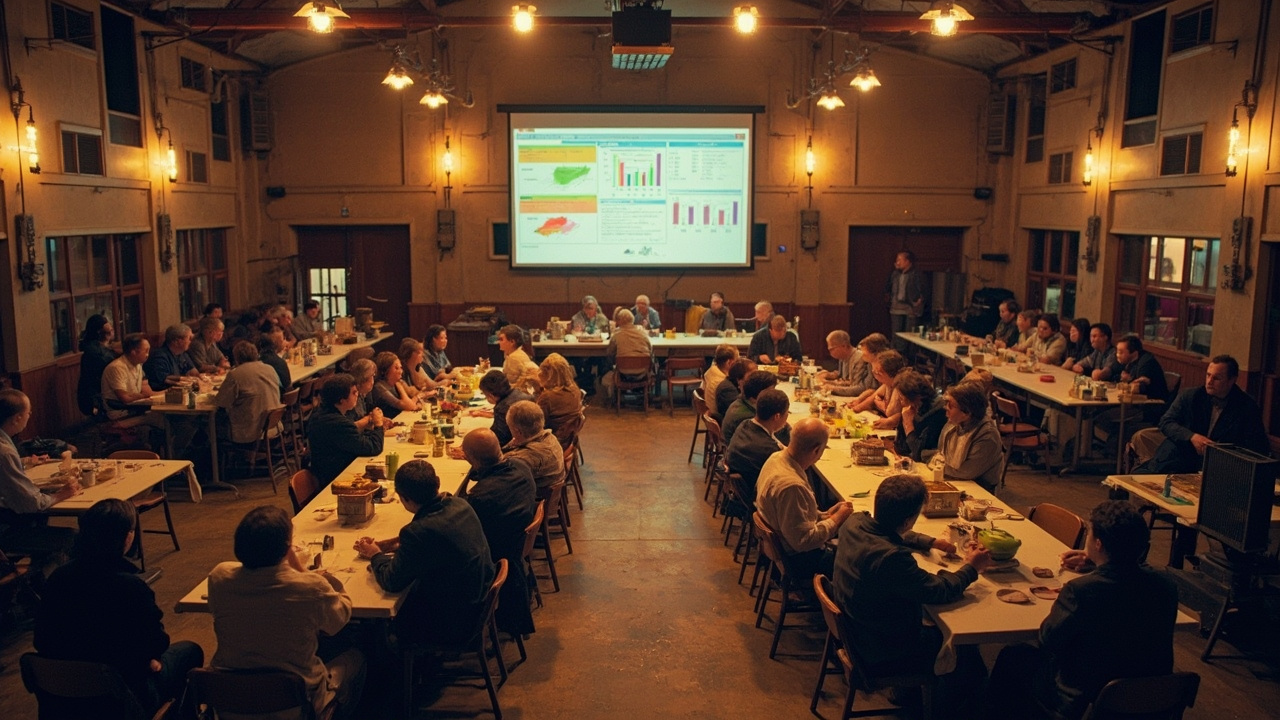
The real test between online blackjack vs land based is not the cards, it’s the rhythm you can actually sustain. A physical table asks for full attention, steady bankroll control, and the patience to wait through a shoe; a digital table asks you to judge pace, verify the operator behind the curtain, and decide how much promotional noise belongs in your session. I’ve built automated sports workflows that punish sloppy execution, and the same discipline applies here: pick the format that matches your schedule, your verification tolerance, and the way you prefer to size a bet. When you compare the two honestly, the choice stops being about which one feels more glamorous and starts being about which one you can run responsibly across a long season.
Pace, atmosphere, and the discipline of the table
A land-based room carries a physical gravity that a browser window cannot replicate, and that gravity changes how you size hands. You watch the shoe turn, you feel the shuffle, and you learn to respect the dead time between decisions because it forces you to think rather than click. Baden-Baden’s casino inspired writers including Dostoevsky and Tolstoy, and that kind of atmosphere still exists in Australian rooms where the air is loud, the drinks move slow, and the pace belongs to the table rather than your thumb. That environment rewards players who already treat bankroll management like a training block: you set a session limit, you walk away when the variance turns, and you do not chase a bad run because the next shoe is not a rescue mission. big bass floats my boat Blackjack для начинающих: ставки, правила и
Doing your shirt is a stronger version of the same phrase, and it fits a live table where a rushed decision costs you real money and real face time. The trade-off is obvious: you commit to travel, dress, and hours that may not suit a weekday arvo, and you accept that the room’s pace is fixed whether you are ready or not. For some players that friction is useful, because it removes the temptation to rapid-fire hands when the mood swings. For others it becomes a barrier that turns a good strategy into a missed session. The question worth answering is whether you want the table to set the tempo, or whether you want to set it yourself without leaving the house.
Promotions, wagering, and how bonus mechanics actually behave
Online operators structure their offers around contribution rates, wagering multiples, and eligibility windows that reward careful reading rather than headline chasing. A welcome package might hand you a match and a set of table credits, but the usable value depends on whether blackjack counts fully toward the playthrough, whether there is a cap on weekly withdrawals, and whether recurring promos reset on a calendar that actually matches your habits. I’ve watched prediction-market infrastructure reward players who read the fine print before they commit, because the same principle holds here: a bonus is only useful if the contribution rules, the max bet limits, and the eligible games line up with how you play.
You should weigh the offer structure the way you would weigh a syndicated racehorse ownership lets everyday Australians own a share, because the appeal is in the shared terms and the realistic ceiling, not in the promise of a quick payout. Look for clear wagering requirements, transparent game weighting, and limits that do not quietly trap your balance behind a vague redemption window. Recurring promos can be useful if they reward steady play rather than aggressive churn, but they can also nudge you into sessions you would otherwise skip. The practical judgement call is simple: treat a promotion as a small adjustment to your expected cost of play, not as the reason to open an account.
Verification, payments, and the practical setup on each side
The practical difference between the two formats shows up in registration, payments, and the way support handles a disputed hand or a delayed payout. A physical room asks for ID at the door and cash at the felt, which keeps the process tangible but also ties your session to local hours, cash handling, and the room’s own limits. A digital operator asks for documents, a payment route, and a mobile setup that should work cleanly on your phone without turning every deposit into a project. The right choice depends on whether you value face-to-face certainty or the convenience of a setup that fits around work, travel, and the rest of your week.
If you want to compare operators with a clear eye on the local market, it helps to read a focused breakdown like the one at big bass floats my boat, because the details that matter are usually buried in the payment options, the registration flow, and the way mobile play behaves on a real connection. You should also check whether the operator’s support can explain contribution rules and withdrawal timing without sending you in circles, because that tells you more about the operator than any banner ever will. Australian players should remember that offshore casino play is not licensed or regulated in Australia, so the responsibility for checking terms, limits, and verification sits squarely on you rather than on a local regulator to sort it out.
| Feature | Online setup | Land-based setup |
|---|---|---|
| Registration | Digital ID, account verification, mobile-friendly | In-person ID check, membership or guest entry |
| Payments | Cards, digital wallets, local currency handling | Cash at the table, room-specific limits |
| Pace | Player-controlled, session-based | Table-controlled, shoe-based |
| Support | Remote contact, terms clarification | Floor staff, immediate but room-bound |
A quick conversation that makes the choice clearer
Two mates sit down with a flat white and run the question out loud, because that is often the fastest way to see what actually matters. One says he prefers the room because the noise and the pace stop him from overplaying his hands, and the other says he prefers the digital version because he can keep his session tight without driving across town after work. The first mate reckons the live feel is worth the travel when he has a clear evening, while the second says he only plays when the terms make sense and the limits do not push him into a bad run. Neither is wrong; they are just weighing different parts of the same decision.

That kind of chat usually ends on the same point: the better format is the one that fits your schedule, your verification comfort, and the way you handle variance without turning a bad hour into a bad week. If you want atmosphere and a fixed tempo, the room still has the edge. If you want control, convenience, and a clear read on the offer mechanics, the digital side deserves the closer look. The cards are only part of the equation; the rest is how you want to play them.